Unlock This Video Now for FREE
This video is normally available to paying customers. Click below for instant access.
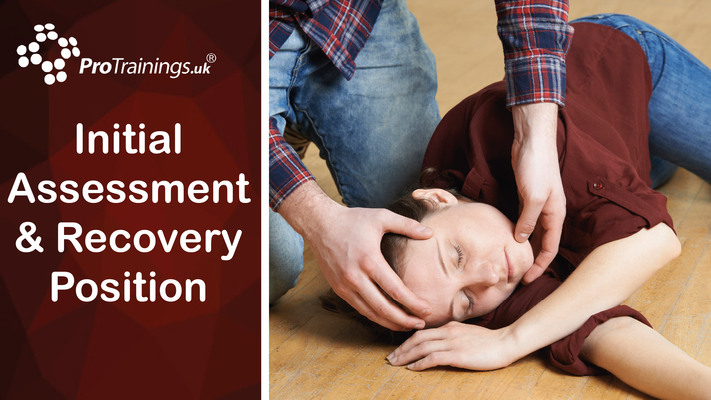
The DRcABCDE Approach: A Structured Method for Emergency Patient Assessment
The DRcABCDE approach is a clear, structured method used to assess, prioritise, and treat any patient in an emergency situation. It ensures that the most immediately life-threatening problems are identified and managed first.
Current guidelines continue to emphasise that DRcABCDE must be used on every unwell or injured patient, from minor illness to major trauma.
What Does DRcABCDE Stand For?
The sequence is designed around what will kill the casualty first if not treated:
- Danger
- Response
- Catastrophic Bleeding
- Airway
- Breathing
- Circulation
- Disability
- Exposure
D – Danger
Before approaching the casualty, stop and check for danger.
- Ensure your safety, the casualty’s safety, and the safety of others
- Look for hazards such as traffic, electricity, fire, violence, sharp objects, or unstable structures
If the scene is unsafe, do not enter. You cannot help if you become the next casualty.
R – Response
Check whether the casualty is responsive:
- Speak clearly: “Can you hear me? Are you alright?”
- If there is no response, apply a gentle shoulder tap
This helps assess their level of consciousness and whether urgent help is needed.
If the casualty is unresponsive or responding poorly, call emergency services immediately and put your phone on speaker.
c – Catastrophic Bleeding
Catastrophic bleeding is managed before the airway.
If you identify severe, life-threatening bleeding, control it immediately. There is no benefit in CPR if blood is rapidly leaving the body.
- Apply direct pressure
- Use a haemostatic dressing if available
- Apply a tourniquet when appropriate
Uncontrolled blood loss can be fatal within minutes, making this an absolute priority.
A – Airway
Once catastrophic bleeding is controlled, open and check the airway.
- Use a head tilt and chin lift if no spinal injury is suspected
- Use a jaw thrust if spinal trauma is suspected
- Remove visible obstructions only — never perform blind finger sweeps
A clear airway is essential. Without it, breathing cannot occur and oxygen cannot reach the brain.
B – Breathing
Assess breathing by looking, listening, and feeling for up to 10 seconds.
- If not breathing normally or only gasping, start CPR immediately and send for an AED
- If breathing is present, assess the rate, depth, and effort
Look for:
- Chest rise and symmetry
- Wheezing or abnormal sounds
- Signs of respiratory distress or chest injury
C – Circulation
Check circulation and look for signs of shock.
- Pale, cold, or clammy skin
- Rapid pulse
- Ongoing bleeding
- Reduced level of consciousness
In cardiac arrest, do not waste time checking for a pulse. In breathing casualties, a quick pulse check can help assess circulation.
Treat shock early:
- Lay the casualty flat
- Keep them warm
- Treat the underlying cause
D – Disability
This stage assesses neurological status.
Use the AVPU scale:
- A – Alert
- V – Responds to Voice
- P – Responds to Pain
- U – Unresponsive
Also check for:
- Pupil changes
- Confusion or agitation
- Seizures
- Signs of head injury
Consider low blood glucose as a reversible cause where appropriate.
E – Exposure
Fully expose the casualty to identify any hidden injuries, while maintaining dignity.
- Look for wounds, burns, swelling, rashes, or bleeding
- Check for medical alert jewellery or tags
Prevent heat loss and monitor for hypothermia. Cover the casualty again as soon as possible.
Why the DRcABCDE Approach Works
The DRcABCDE approach is effective because it is simple, structured, and prioritises immediate threats to life.
This assessment must be repeated continuously. As the casualty’s condition changes, your actions must adapt.
Using DRcABCDE helps you stay calm, organised, and focused, giving every casualty the best possible chance of survival and recovery.
- IPOSi Unit one LO4.3